The best time to visit Kyrgyzstan depends on the type of journey you want to experience – whether that’s mountain hiking, yurt stays on high pastures, exploring Issyk‑Kul or travelling through remote valleys. Kyrgyzstan is a strongly seasonal destination, with dramatic shifts between summer in the mountains, colourful autumn landscapes, snowy winters and the fresh green valleys of spring. This guide breaks down each season so you can choose the ideal months for your trip.
This guide breaks down the seasons, regions and best months to help you plan your journey.
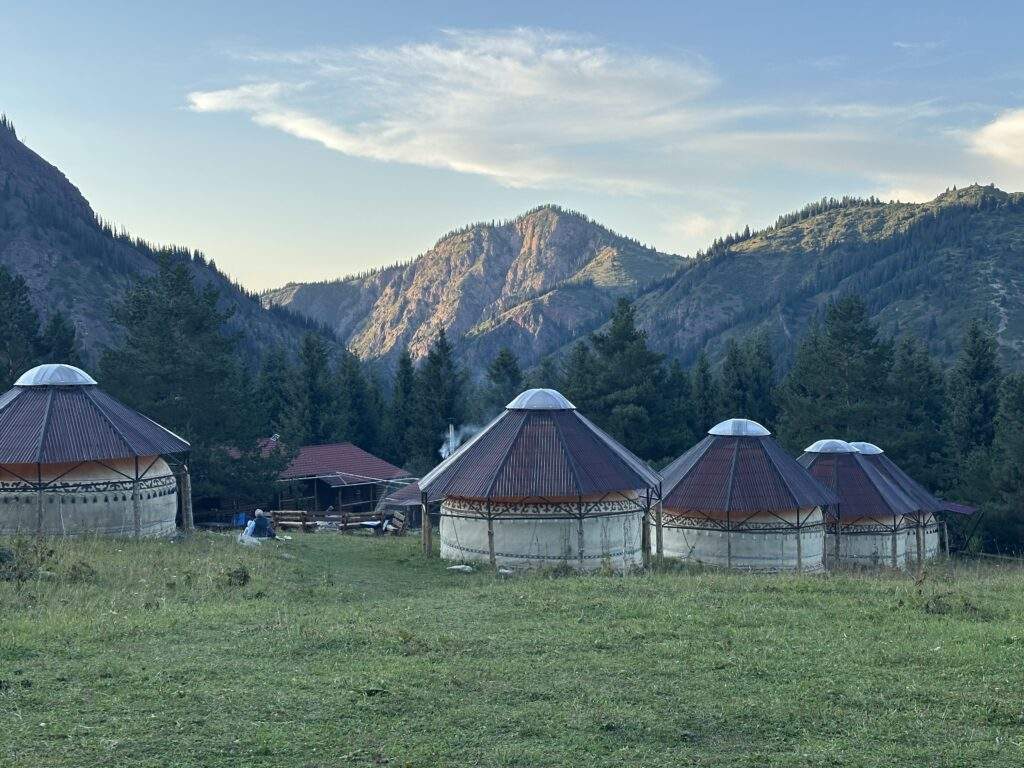
Overall Best Months
The best overall time to visit Kyrgyzstan is June to September, when high‑altitude areas like Song‑Kul and Kel‑Suu are accessible.
- Best for hiking: July to September
- Best for yurt stays: June to August
- Best for Issyk‑Kul: July to August
- Best for photography: June and September
- Best for budget travel: May and early October
For official climate patterns and seasonal information, the Kyrgyz Tourism Board provides a helpful climate overview.
Kyrgyzstan by Season
When deciding the best time to visit Kyrgyzstan, it’s helpful to consider altitude, weather patterns and regional access.
Spring (April – May)
Spring brings green valleys, warm days and clear views of snow‑capped peaks. It’s a great time for exploring canyons, low-altitude hikes and Issyk‑Kul’s south shore. High mountain regions remain closed until June.
Good for
- Canyons
- Waterfalls
- Easy hiking
- Issyk‑Kul scenery
Summer (June – August)
Summer is peak season and the best time for Song‑Kul, Kel‑Suu, and other yurt‑stay regions. Roads open, passes clear of snow, and the pastures fill with nomadic families and grazing horses.
Good for
- Yurt stays
- Alpine lakes
- Horse trekking (optional)
- High‑altitude travel
- Clear mountain views
Expect warm days, cool nights, and rapid weather changes at altitude.

Autumn (September – October)
September is one of the best months of the year. The weather is stable, the mountains turn golden, and crowds disappear. October becomes colder, but lowland travel is still pleasant.
Good for
- Low‑altitude hiking
- Photography
- Cultural travel
- Quiet roads
Winter (November – March)
Winter is cold and rural nomadic regions close for the season. However, Bishkek and the valleys are still visitable, and the country offers winter landscapes and skiing in Karakol.
Good for
- Skiing
- Cultural sightseeing
- Budget travel
Not ideal for: Song‑Kul, Kel‑Suu, high passes
Best Time by Region
Choosing the best time to visit Kyrgyzstan also depends on the regions you want to explore. High‑altitude areas like Song‑Kul and Kel‑Suu are only open in summer, while Issyk‑Kul’s lakeside towns are warmest in July and August. Spring and autumn offer quieter roads, softer colours and excellent opportunities for photography, while winter is ideal for skiing in Karakol. Understanding how each region changes throughout the year helps you decide the best month for your style of travel.
Song‑Kul Lake
Accessible only mid to June to early September.
Expect cool temperatures even in midsummer.
Kel‑Suu
Best in July–September. Snow or flooding often limits access outside these months.
Issyk‑Kul Lake
A summer favourite.
Best in July to August for swimming and warm beach days.
Ala‑Archa National Park (Bishkek)
Great year‑round for walks and day hikes.
Best Time for Activities
Hiking: July to September
Horse trekking: June to September
Yurt stays: June to August
Photography: June and September
Skiing: December–March (Karakol, Jyrgalan)
Festivals, Culture and Seasonal Experiences in Kyrgyzstan
Kyrgyzstan’s culture is closely tied to the seasons, and many of the country’s most memorable experiences are linked to traditional nomadic life. During summer, families move to the high pastures (jailoos), offering travellers a chance to see yurt building, local food preparation and traditional crafts. This is also the period when many small community festivals take place, celebrating horse games, felt‑making and regional music.
In June and July, the country’s alpine areas come to life, with bright wildflowers and long daylight hours ideal for photography and gentle walks. August is the height of the nomadic season, with the most yurt camps open and excellent opportunities to meet herders. By September, the landscapes shift to warm golden tones, making it a favourite month for scenic travel, quieter roads and cultural touring.
Winter brings a different experience. While remote regions close, the ski slopes of Karakol and the valleys around Bishkek offer crisp air, snowy views and a calmer pace of travel. It’s also one of the best seasons for warm, hearty Kyrgyz cuisine and cosy cafés.
Final Recommendation
Overall, the best time to visit Kyrgyzstan is July, August and early September, when the mountains are accessible and the landscapes are at their most dramatic. For quieter roads and soft autumn colours, choose September. For summer yurt life and alpine lakes, June to August is ideal.
If you’re ready to start planning your trip, why not check out an itinerary we have already curated – our flagship Discover Kyrgyzstan Tour, covering Issyk‑Kul, Song‑Kul, Kel‑Suu and Kyrgyz nomadic life!
Packing for Kyrgyzstan
Once you’ve decided on the best time to visit Kyrgyzstan, it’s important to prepare for changing weather and mountain conditions. Our guide on what to pack for Kyrgyzstan covers essential clothing, footwear, pharmacy items and luggage advice for yurt stays and overland travel, helping you pack confidently for your trip.
Finally, for more advice on regions, culture and practical tips, visit our Kyrgyzstan Travel Resources page.